Neelakurinji – The Flower That Paints the Hills Blue
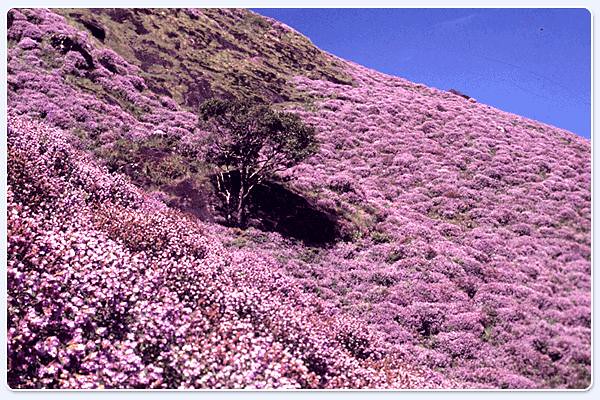
High in the mist-covered slopes of the Western Ghats, a rare natural phenomenon transforms entire mountains into shades of violet-blue. This spectacle is created by the blooming of Neelakurinji, a shrub that flowers just once every 12 years.
Scientifically known as Strobilanthes kunthiana, Neelakurinji grows at altitudes between 1,300 and 2,400 meters, primarily across Kerala and Tamil Nadu. When it blooms, vast stretches of grasslands turn into a breathtaking carpet of blue, attracting nature lovers, photographers, botanists, and travelers from around the world.
One of the most iconic locations to witness this bloom is Eravikulam National Park near Munnar. The rolling hills of the park become a surreal landscape during the flowering season. The last major bloom occurred in 2018, and the next is expected in 2030, following its 12-year cycle.
The name “Munnar” itself is believed to be connected to the historical presence of Neelakurinji, as the region was once referred to as “Neelakurinji land” by local communities. The bloom has cultural significance as well; in traditional Tamil culture, it was used to calculate age and life cycles, since it marked the passage of twelve years.
Beyond its beauty, Neelakurinji plays an ecological role in supporting pollinators like bees and butterflies during its blooming season. However, increasing tourism, habitat disturbance, and climate change pose threats to these fragile high-altitude ecosystems. Conservation efforts are crucial to ensure that future generations can witness this rare botanical wonder.
Neelakurinji is not just a flower—it is a reminder of nature’s rhythm and patience. Its once-in-12-years bloom teaches us that some of the most beautiful experiences in life require time, protection, and respect